
A highly selective fellowship created for board-certified dermatologists who want to be at the forefront of integrative medicine. Developed through a collaboration between two leaders in the field, IMDF represents the next chapter in dermatology education.
A formal fellowship in integrative dermatology.
Structured coursework, faculty mentorship, and a research project — the same rigor as any fellowship, delivered online around your practice.
Board-certified dermatologists.
You need a valid, unrestricted license in the U.S., its territories, or Canada. Seats are intentionally limited, and strong applicants are invited to interview.
Eligibility for board certification.
Graduates may sit for the integrative medicine board exam — plus 180+ CME credits, published scholarship, and a network of peers.
They ask about their diet, their stress, their supplements, their gut. The science increasingly agrees with them — skin health is bound up with nutrition, the microbiome, hormones, immune function, environment, and the mind-body connection. Yet no formal fellowship has existed to train dermatologists to answer with real evidence.
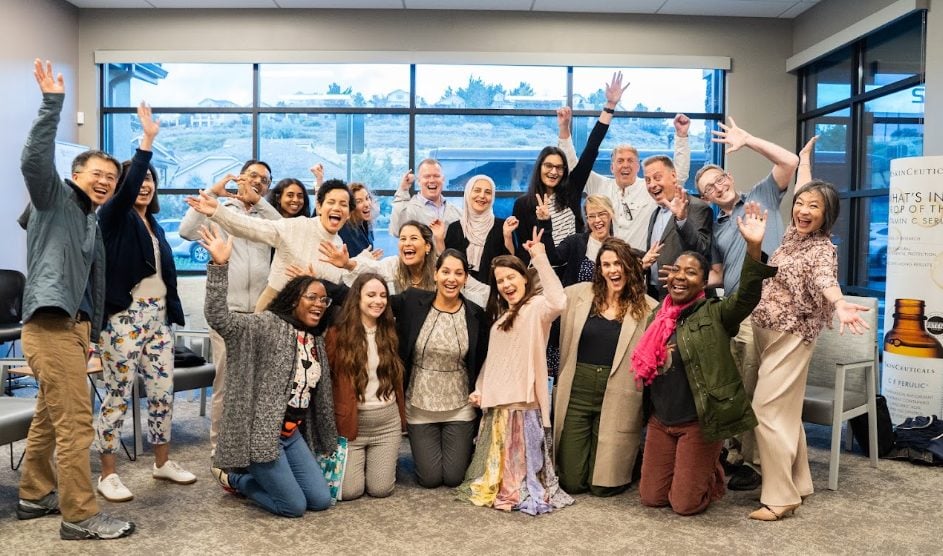
The IMDF exists for clinicians who sense that dermatology is on the edge of something larger, and who would rather help build it than wait for it. The first cohort will hold a permanent place in the history of this field.
Nutrition, botanicals, the microbiome and the mind-body connection — held to the same evidence standard as everything else you prescribe.
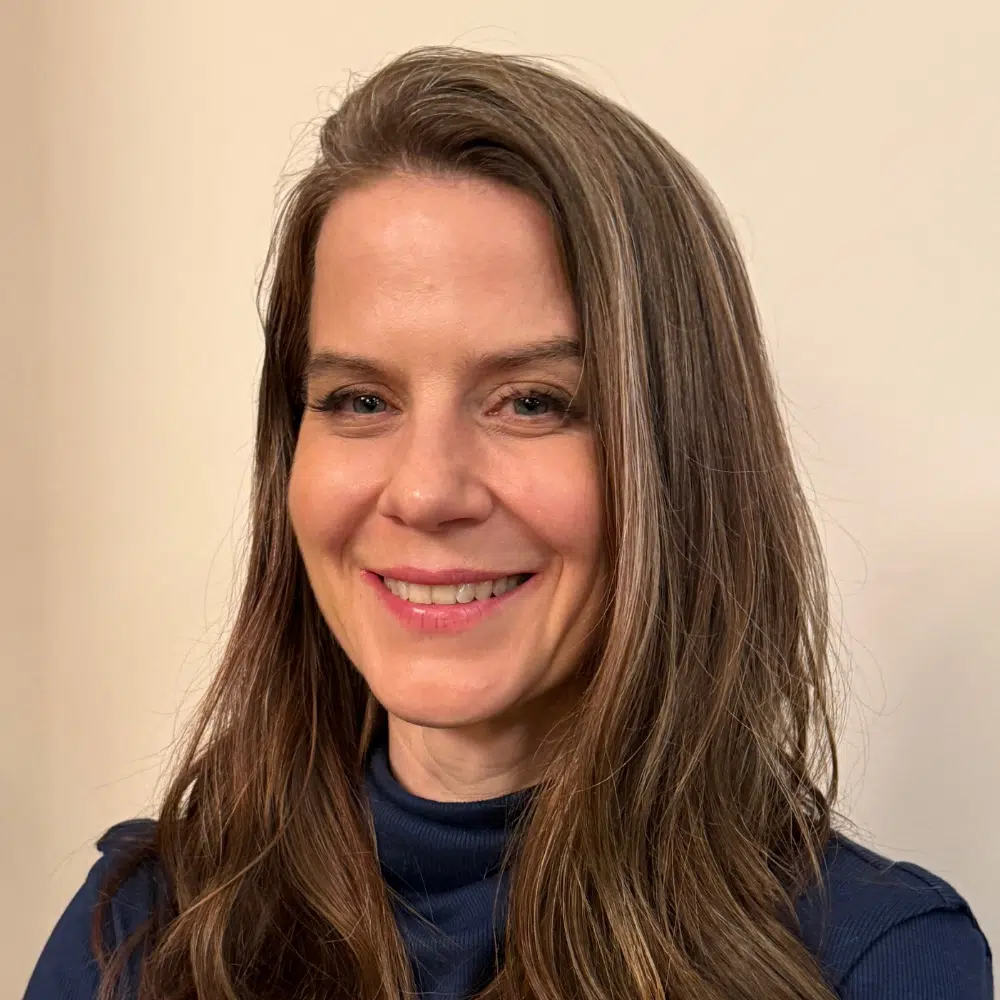
The first dermatologist board certified in both dermatology and integrative medicine, Dr. Bodemer trained at the University of Wisconsin and the University of Arizona. She is the only dermatologist currently serving on the Integrative Medicine Board.
“I am so incredibly proud to introduce the Integrative Medicine in Dermatology Fellowship program - the first of its kind that offers specially focused integrative medicine training with a pathway to board certification. This program provides high quality, evidence focused education on the use of integrative tools and the philosophy of integrative medicine for people with dermatologic concerns. More importantly, it builds connection within the integrative medicine community!”
Apple Bodemer, MD
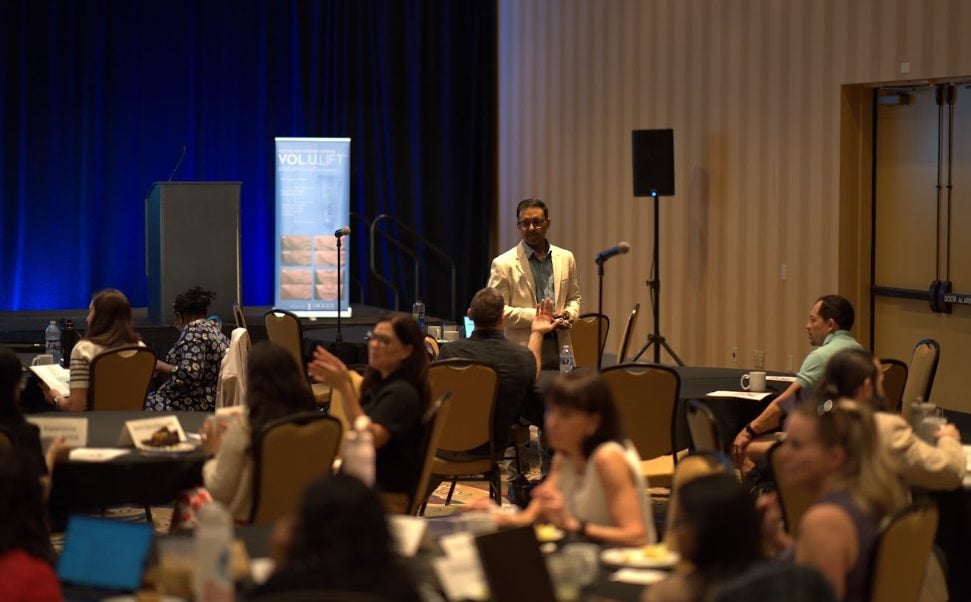
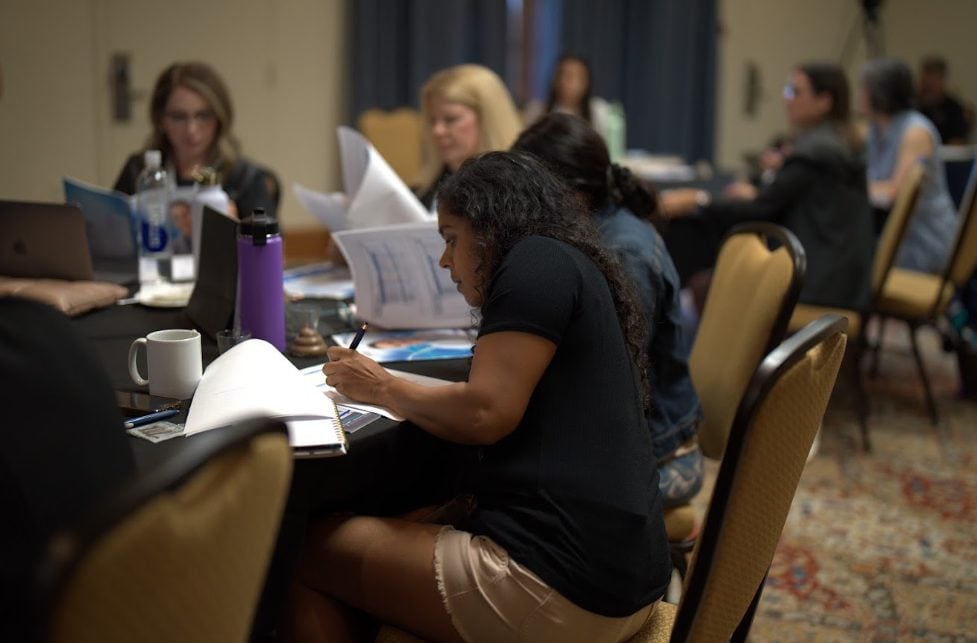
Self-paced modules each week plus one live virtual session a month. The Andrew Weil Center’s foundational curriculum, taught alongside dermatology-specific material.
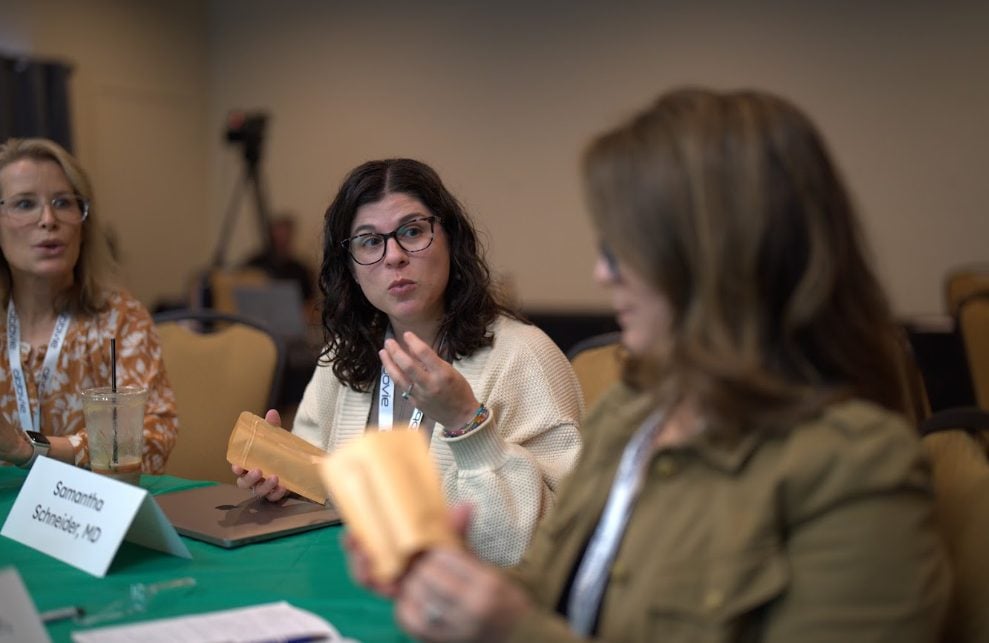
Twelve group mentorship sessions and two one-on-one sessions with the program director each year — your real cases, reviewed by someone who knows your practice.
One publication-ready research project — a case study, case series, narrative review, or literature review. Scholarship that carries your name into the field.
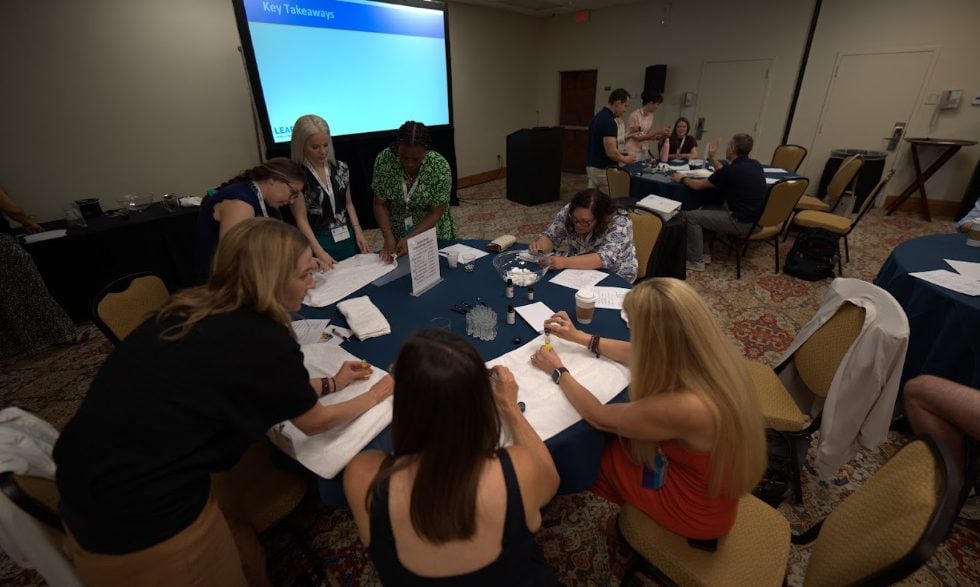
In person at the IDCP Intensives, the Integrative Dermatology Symposium, and the alumni Spring Retreat — where the colleagues become collaborators.
Figures shown for the full two-year track. IDCP alumni complete a shorter path — see the two tracks below.

For the full fellowship. Flexible payment plans are available; details are shared during admissions.
If you have already completed the Integrative Dermatology Certificate Program, you skip ahead. If you haven’t, you take it with the fellowship — no separate application.
Board-certified dermatologists who have completed the IDCP* · 1 year 3 months
Board-certified dermatologists joining the IDCP cohort and the fellowship together · 2 years
Both tracks include the same mentorship, research project, and board-certification eligibility.
*Previous IDCP alumni must enroll within 3 years to qualify for grandfathering. Future IDCP alumni will have a 3-year grace period following graduation.
The faculty of the University of Arizona Andrew Weil Center for Integrative Medicine have contributed their Foundational Fellowship Curriculum (FFC) to the IMDF program. The FFC provides state of the art knowledge in all the major domains of integrative medicine recommended by the American Board of Integrative Medicine (ABOIM). The Andrew Weil Center for Integrative Medicine has been teaching physicians and health professionals for 20 years in their fellowship programs.

Thirty minutes, one to one, to talk through eligibility, the two tracks, and whether the fellowship fits your practice. Bring any question — nothing is too small.
Tell us you’re interested — nothing more. The program director will follow up personally with eligibility details, the curriculum, and what the application involves.
The program director reviews every submission personally.
It varies, but the fellowship is built for a practicing clinician. Expect one to four self-paced modules a week, one live virtual session a month, and mentorship sessions across the year. The first nine months of the two-year track are the busiest.
No. Coursework and mentorship are online and largely self-paced, and you apply what you learn in your own clinic. The only travel is the in-person gatherings — the IDCP Intensives, the Integrative Dermatology Symposium, and the alumni Spring Retreat.
To sit for the integrative medicine board exam you must be a physician and a graduate of a recognized U.S., Canadian, or international allopathic or osteopathic college of medicine (international graduates also need a valid ECFMG certificate); hold a valid, unrestricted license to practice in the U.S., U.S. territories, or Canada; complete an approved specialty fellowship; provide requested documents and letters of recommendation; and pass the exam.
Most fellowships go deeper inside a traditional specialty. This one widens it. Instead of viewing skin disease in isolation, you learn to weigh immune function, nutrition, the microbiome, lifestyle, environmental exposures, and mental well-being — then combine them with conventional therapeutics into one personalized plan.
You’ll be among the first clinicians ever to complete this training. Your feedback and leadership shape the program for the fellows who follow, and the founding class is intentionally small so that mentorship stays personal.
Yes. Flexible payment plans are available to make the fellowship more accessible. Tuition, payment options, and financing are covered in detail during admissions.
Graduation is the beginning. Fellows join an ongoing professional community with continuing education, special events, and future initiatives. Graduates who show excellence in practice, scholarship, education, and leadership may be invited into teaching, research collaborations, mentorship, or faculty roles as the fellowship grows.
Cohorts begin March 2027 and May 2027 · seats intentionally limited
Get occasional updates on the fellowship, cohort dates, and integrative dermatology.
Occasional updates on the fellowship, cohort dates, and integrative dermatology. No more than that.